
Official Trezor™ Suite®® — Desktop & Web App for Hardware …
Manage supported cryptocurrencies with Trezor Suite, featuring tools for checking balances, reviewing transactions, monitoring accounts, connecting hardware wallets, and organizing digital asset activities from one place.
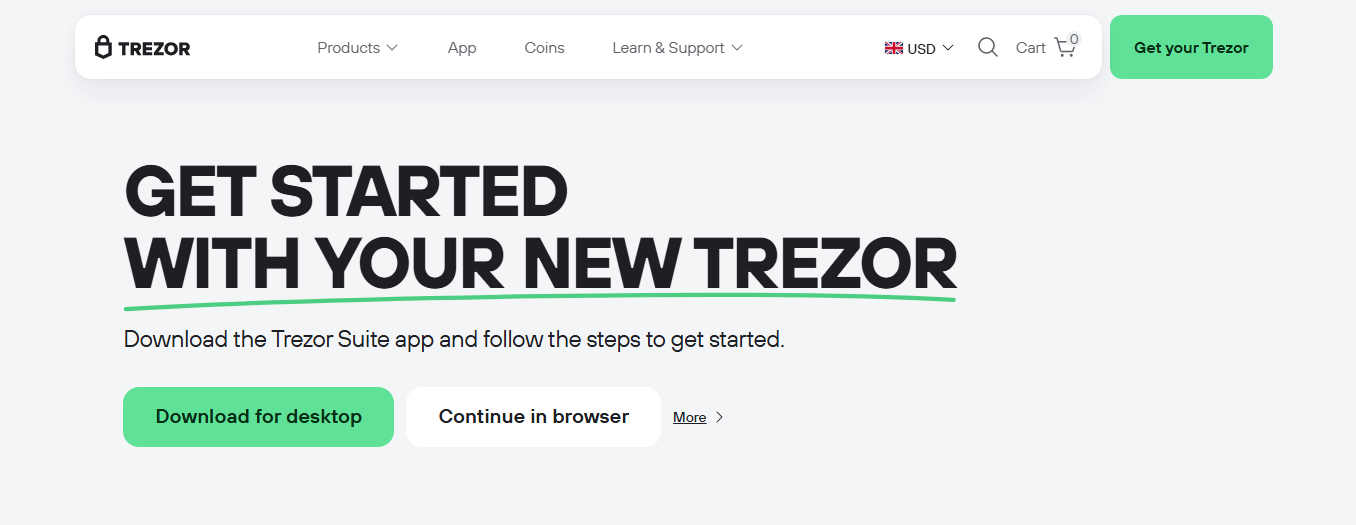
Trezor Suite: A Practical Guide to Secure Crypto Management
Understanding Trezor Suite
Trezor Suite is the companion application designed to help users interact with compatible Trezor hardware wallets. It provides a convenient interface for checking cryptocurrency balances, reviewing transactions, managing accounts, and performing supported wallet actions. Instead of handling sensitive wallet information through unfamiliar websites, users can work through a dedicated application while keeping the hardware wallet involved in important operations. Its interface can help users understand routine wallet tasks while keeping transaction approval connected to the physical device when applicable.
Why Use Trezor Suite?
Managing digital assets can become confusing when balances, addresses, networks, and transactions are spread across different services. Trezor Suite brings many common wallet activities into one interface. Users can review account information, inspect transaction history, and manage supported assets from a centralized dashboard.
Getting Started Carefully
Before installing or using Trezor Suite, confirm that you are using the official Trezor website or an authentic application source. Avoid downloading wallet software from advertisements, unsolicited messages, random links, or unknown websites.
After installation, connect your Trezor device as instructed and follow the setup prompts. Read every message displayed on the device itself. If you are creating a new wallet, record the recovery information according to the manufacturer's instructions and keep it offline in a secure place.
Checking Balances and Accounts
Once your wallet is connected, Trezor Suite can provide an overview of supported accounts and assets. You can use the dashboard to review balances and examine previous transactions without repeatedly navigating between unrelated platforms.
However, displayed balances can change because cryptocurrency prices and blockchain activity fluctuate. Always treat the wallet interface as a management tool and verify important transaction details before confirming an action.
Sending and Receiving Crypto
When receiving cryptocurrency, carefully select the appropriate account and copy the receiving address accurately.
When sending funds, review the destination address, asset, network, amount, and transaction fee before approving. A blockchain transaction may be difficult or impossible to reverse after confirmation, so a few seconds of verification can prevent costly mistakes.
Protecting Your Recovery Phrase
Your recovery phrase is among the most important pieces of information associated with a self-custody wallet. Never share it with another person, type it into an unfamiliar website, or store it in a public cloud account unless you fully understand the security implications.
Legitimate support representatives should not need your recovery phrase to “unlock” or “verify” your wallet. Anyone requesting it should be treated with extreme caution.
Avoiding Phishing Attempts
Crypto users frequently encounter fake websites, messages, and applications designed to imitate legitimate services. Check website addresses carefully before entering information or connecting a device.
If an offer promises free cryptocurrency in exchange for your recovery phrase, password, or immediate payment, stop and verify the situation independently.
Keeping Your Setup Updated
Keeping wallet software and supported device firmware updated can help maintain compatibility and access to current improvements.
Avoid unofficial downloads claiming to provide special features, faster transactions, or emergency wallet recovery. Convenience is never a good reason to bypass basic security checks.
A Better Everyday Wallet Routine
A reliable routine can make crypto management easier. Open Trezor Suite through a trusted source, connect your hardware wallet, review the transaction details, confirm information on the device when applicable, and disconnect the device when finished.
Conclusion
Trezor Suite can provide a practical interface for users who want to manage supported digital assets alongside a Trezor hardware wallet. Its usefulness depends not only on the software but also on careful security habits. Using authentic software, protecting the recovery phrase, checking transaction details, and staying alert to phishing attempts can help create a safer self-custody routine.
For new and experienced users alike, the key is simple: use trusted sources, verify important information, and keep control of sensitive wallet credentials.
Updated about 3 hours ago